Location
Blog
- posted: Feb. 27, 2026
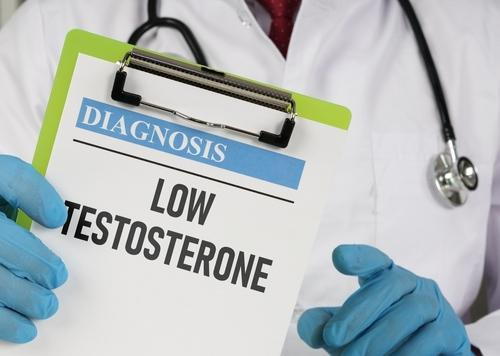
Testosterone plays a central role in men’s health, influencing energy levels, muscle mass, mood, and sexual function. When testosterone levels decline, it can affect daily life in noticeable ways. At the office of Dr. Alexander Martin in McKinney, TX, serving patients in Melissa, TX, evaluation of low testosterone focuses on identifying underlying causes and developing appropriate treatment plans.
Age-Related Hormonal Changes
One of the most common causes of low testosterone is the natural aging process. Testosterone levels typically peak in early adulthood and gradually decline over time. While some decrease is expected, a more significant drop can lead to symptoms such as fatigue, reduced muscle strength, decreased libido, and mood changes.
Understanding the difference between normal aging and clinically low testosterone is important when determining whether treatment is needed.
Medical Conditions That Affect Hormone Levels
Certain health conditions can interfere with testosterone production. Conditions such as diabetes, obesity, and chronic illnesses can disrupt hormonal balance. Problems involving the testes or the pituitary gland, which regulates hormone production, may also lead to reduced testosterone levels.
In some cases, underlying conditions must be addressed before hormone levels can improve. A thorough medical evaluation helps identify these contributing factors.
Lifestyle Factors and Their Impact
Daily habits can also influence testosterone levels. Poor sleep, chronic stress, lack of physical activity, and an unhealthy diet may all contribute to hormonal imbalance. Excess body fat, particularly in the abdominal area, is closely linked to lower testosterone levels.
Improving lifestyle habits can support overall health and may help maintain more stable hormone levels over time.
Medications and External Factors
Certain medications can affect testosterone production. Long-term use of steroids, opioids, or some prescription drugs may interfere with hormone regulation. Exposure to environmental toxins or excessive alcohol use can also contribute to declining levels.
Reviewing medications and environmental factors is an important part of determining the cause of low testosterone.
Recognizing Symptoms of Low Testosterone
Low testosterone can present with a variety of symptoms, including fatigue, reduced sex drive, difficulty maintaining muscle mass, increased body fat, and changes in mood or concentration. Because these symptoms can overlap with other conditions, proper testing is essential for an accurate diagnosis.
Laboratory testing, along with a clinical evaluation, helps confirm whether testosterone levels are below normal.
Evaluation and Treatment Options
Diagnosis begins with a detailed medical history, symptom review, and blood testing. Once low testosterone is confirmed, treatment options may be discussed based on individual needs. These may include lifestyle modifications or medical therapies designed to restore hormone balance.
Dr. Alexander Martin in McKinney, TX, serving patients in Melissa, TX, provides comprehensive evaluation and management of low testosterone. If you are experiencing symptoms or have concerns about your hormone levels, call (972) 548-8195 to schedule an appointment and learn more about your options.
- posted: Feb. 27, 2026
Testosterone plays a central role in men’s health, influencing energy levels, muscle mass, mood, and sexual function. When testosterone levels decline, it can affect daily life in noticeable ways. At the office of Dr. Alexander Martin in McKinney, TX, serving patients in Melissa, TX, evaluation of low testosterone focuses on identifying underlying causes and developing appropriate treatment plans.
Age-Related Hormonal Changes
One of the most common causes of low testosterone is the natural aging process. Testosterone levels typically peak in early adulthood and gradually decline over time. While some decrease is expected, a more significant drop can lead to symptoms such as fatigue, reduced muscle strength, decreased libido, and mood changes.
Understanding the difference between normal aging and clinically low testosterone is important when determining whether treatment is needed.
Medical Conditions That Affect Hormone Levels
Certain health conditions can interfere with testosterone production. Conditions such as diabetes, obesity, and chronic illnesses can disrupt hormonal balance. Problems involving the testes or the pituitary gland, which regulates hormone production, may also lead to reduced testosterone levels.
In some cases, underlying conditions must be addressed before hormone levels can improve. A thorough medical evaluation helps identify these contributing factors.
Lifestyle Factors and Their Impact
Daily habits can also influence testosterone levels. Poor sleep, chronic stress, lack of physical activity, and an unhealthy diet may all contribute to hormonal imbalance. Excess body fat, particularly in the abdominal area, is closely linked to lower testosterone levels.
Improving lifestyle habits can support overall health and may help maintain more stable hormone levels over time.
Medications and External Factors
Certain medications can affect testosterone production. Long-term use of steroids, opioids, or some prescription drugs may interfere with hormone regulation. Exposure to environmental toxins or excessive alcohol use can also contribute to declining levels.
Reviewing medications and environmental factors is an important part of determining the cause of low testosterone.
Recognizing Symptoms of Low Testosterone
Low testosterone can present with a variety of symptoms, including fatigue, reduced sex drive, difficulty maintaining muscle mass, increased body fat, and changes in mood or concentration. Because these symptoms can overlap with other conditions, proper testing is essential for an accurate diagnosis.
Laboratory testing, along with a clinical evaluation, helps confirm whether testosterone levels are below normal.
Evaluation and Treatment Options
Diagnosis begins with a detailed medical history, symptom review, and blood testing. Once low testosterone is confirmed, treatment options may be discussed based on individual needs. These may include lifestyle modifications or medical therapies designed to restore hormone balance.
Dr. Alexander Martin in McKinney, TX, serving patients in Melissa, TX, provides comprehensive evaluation and management of low testosterone. If you are experiencing symptoms or have concerns about your hormone levels, call (972) 548-8195 to schedule an appointment and learn more about your options.
Dr. Alexander Martin, MD
4501 Medical Center Drive Suite 100,
McKinney, TX 75069
Office Hours
Monday
8:00 am - 5:00 pm
Tuesday
8:00 am - 5:00 pm
Wednesday
8:00 am - 5:00 pm
Thursday
8:00 am - 5:00 pm
Friday
8:00 am - 12:00 pm
Saturday
Closed
Sunday
Closed